We’ve set targets to be a net zero organisation by 2050 at the latest and to halve our operational carbon emissions by 2030. We’re also a member of the United Nations Race to Zero campaign, joining the wide range of governments, businesses, cities, regions and universities around the world committed to achieving net zero carbon emissions.
In addition to our net zero pledge, Sanctuary is committed to ensuring that our public communications and any engagement or lobbying that we participate in will be aligned with our net zero ambitions at a local, sectoral, or national level.
We’re already making positive steps on our net zero journey. From adapting our buildings to the likely effects of climate change, to reducing the risk of our customers experiencing fuel poverty, we know we have a huge responsibility to get it sorted. But how big is the task?
On these pages, you can explore all the steps we are taking to reduce our negative impact on the environment. You can read about our carbon footprint, energy efficient homes, biodiversity projects, partnerships, and adaption work.
ENVIRONMENT
Our latest Decarbonisation and Net Zero Strategy
This strategy builds on progress made since our first strategy was published in 2023 and sets out how we will speed up action on climate change while continuing to deliver quality homes and services that support customers and communities.
Our decarbonisation journey
Working with our 14,000 employees, we’re adapting the way we do things to reduce our impact on the environment. This is a long-term and significant commitment, impacting across all areas of our work.
A core element of this is work to decarbonise our:
Our decarbonisation journey began in 2020, when we launched our first Environment Strategy, charting our approach to this challenge.
Some of our key programmes and projects, most of which are currently ongoing, are listed below:

As the largest single-organisation recipient of the UK Government's Warm Homes: Social Housing Fund, we will deliver over £100m of energy improvement works between 2025 and 2029 across our communities, improving up to 10,000 homes to be warmer and more comfortable.

Over 100 electric vehicles in our fleet with a healthy salary sacrifice programme for employees to lease their own EVs, with over 30 electric vans joining in the fleet in 2026.

All new homes now built without gas and to outstanding fabric performance levels

Almost 500 employees are part of our internal Sustainability Community.
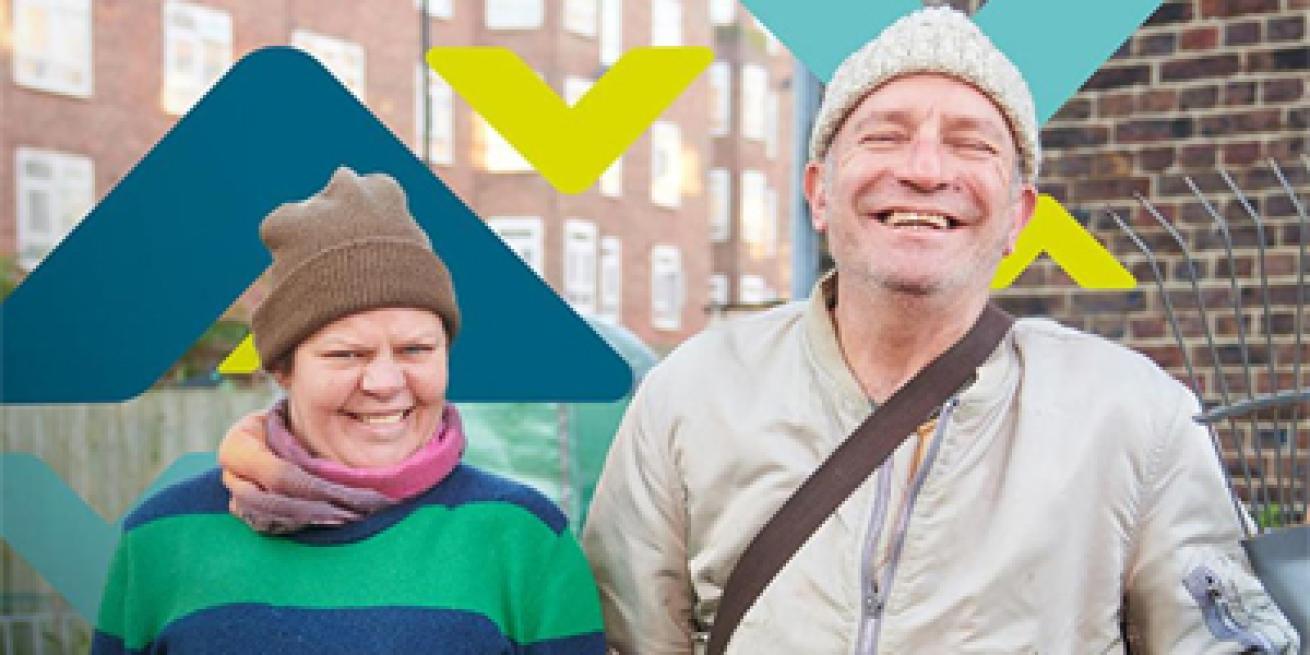
More than 100 Sanctuary customers engage with us through our community of interest groups. Each group focuses on one topic, bringing people with similar interests together.
Each of our community of interest groups work closely with us to help design our services, and to evaluate their performance.
Working closely with our customers, we have formed a range of communities of interest. We are always open to new communities of interest in topics that you, our customers, are passionate about.
You can find out more about our current communities of interest.
Interested in our sustainable communities programme?
Our carbon footprint
We’ve committed to becoming a net zero carbon organisation by 2050 and are already making positive steps to reduce our environmental impact.
Each year, we calculate our carbon footprint and publish it in our Annual Report and in our Environment Strategy. This helps us to measure our progress, set meaningful targets and see which areas of our business affect climate change the most.
Find out more about our latest carbon footprint, the way we work it out, and how it helps us to take action.
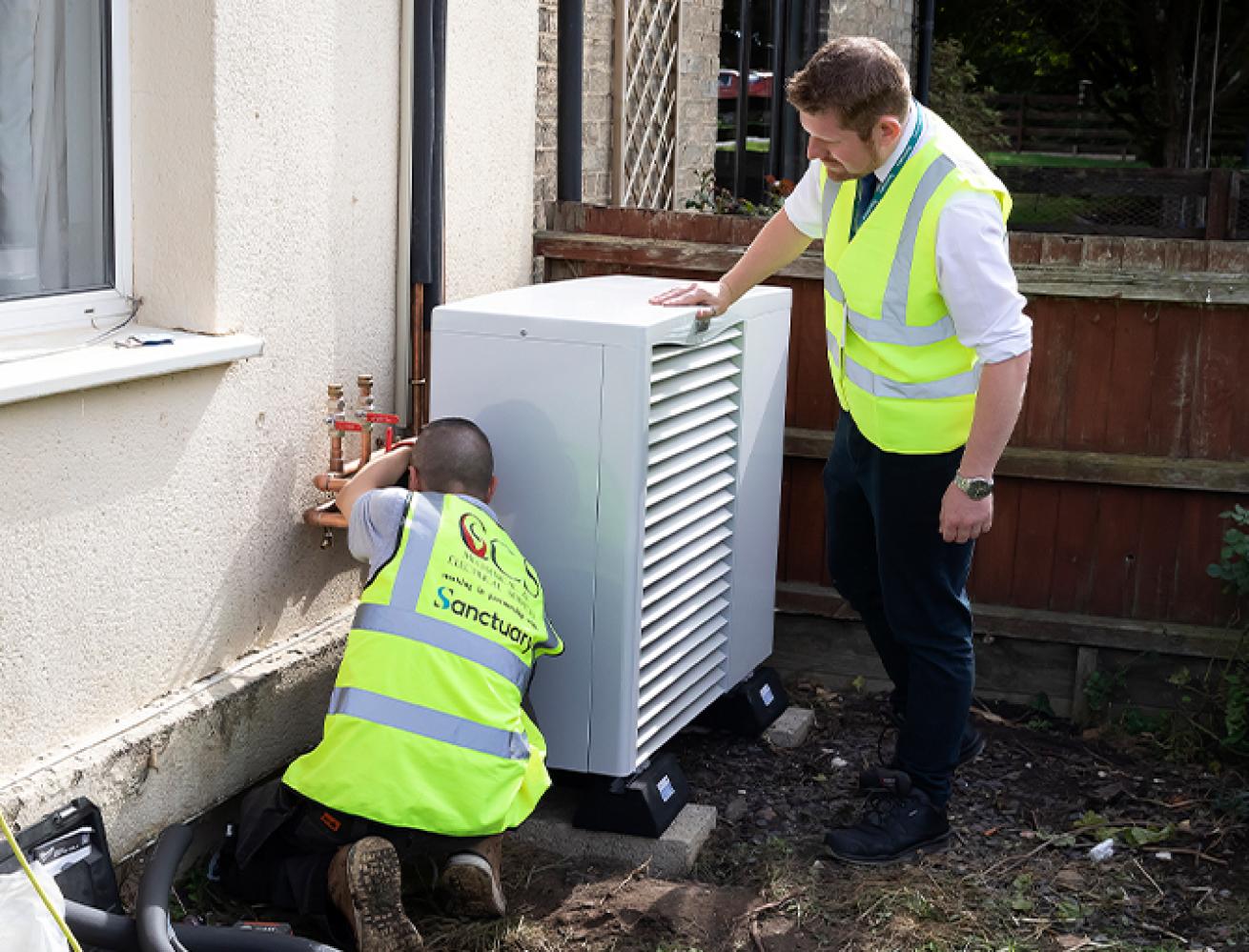
Providing energy efficient homes
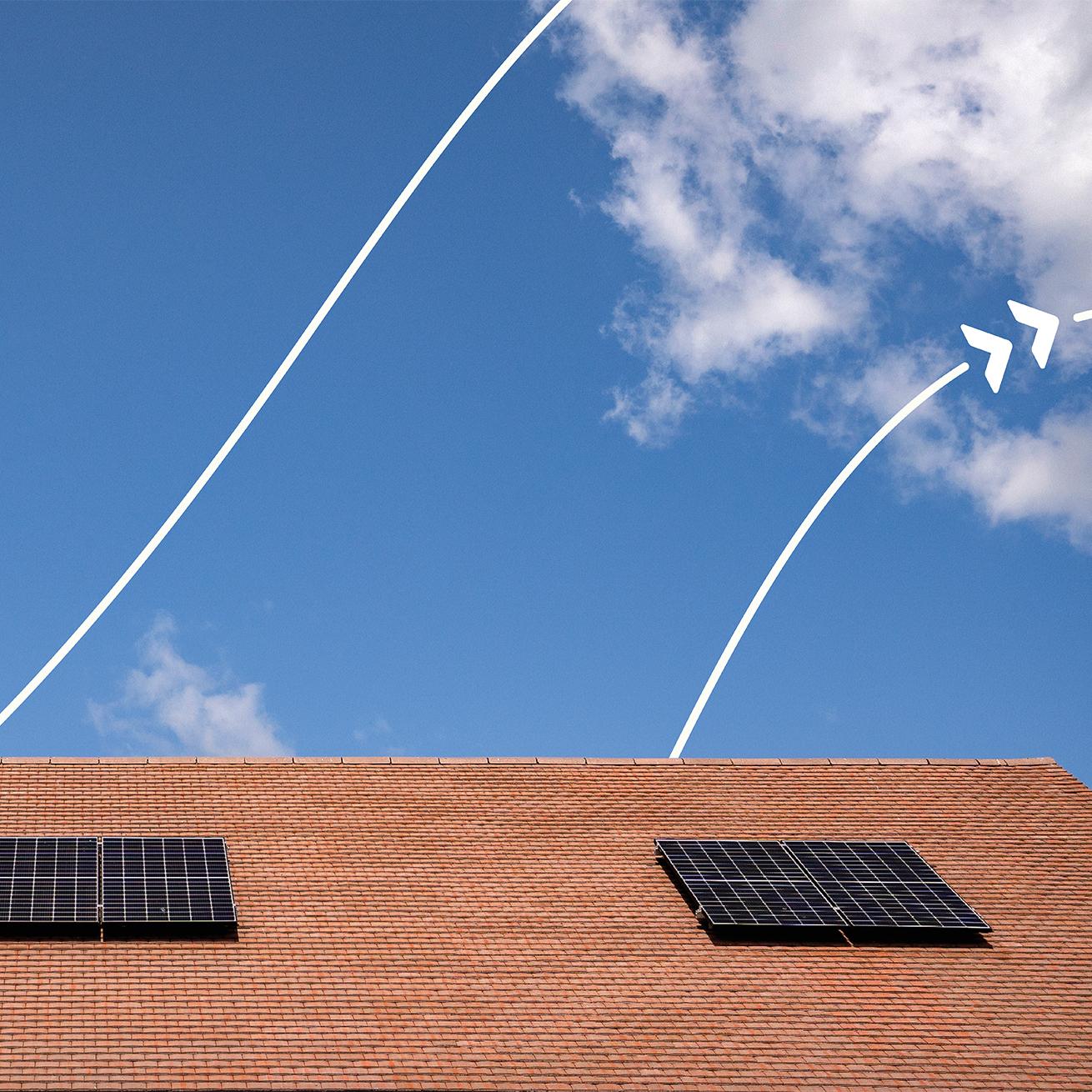
A well-insulated home releases less carbon emissions but is also more affordable to heat. Some of our customers live in older homes, which need comprehensive works to make them more sustainable to live in.
Our retrofit programme focuses on insulation and other measures to reduce both heating demand and carbon emissions. It aims to reduce energy bills for our customers and limit environmental
impact. Our target is to bring all social housing properties to EPC band C by 2030 at the latest.
Biodiversity
We all rely on having healthy ecosystems in so many ways - from the air we breathe to the food we eat - and we need a wide range of plants, animals and microorganisms to create these. So it’s important we support and manage our green spaces to be biodiverse.
The larger the variety of plants and animals found in a green space, the more biodiverse the green space is considered to be.
We’re looking at how we manage our estates, piloting alternative green space management techniques and learning through what we do.
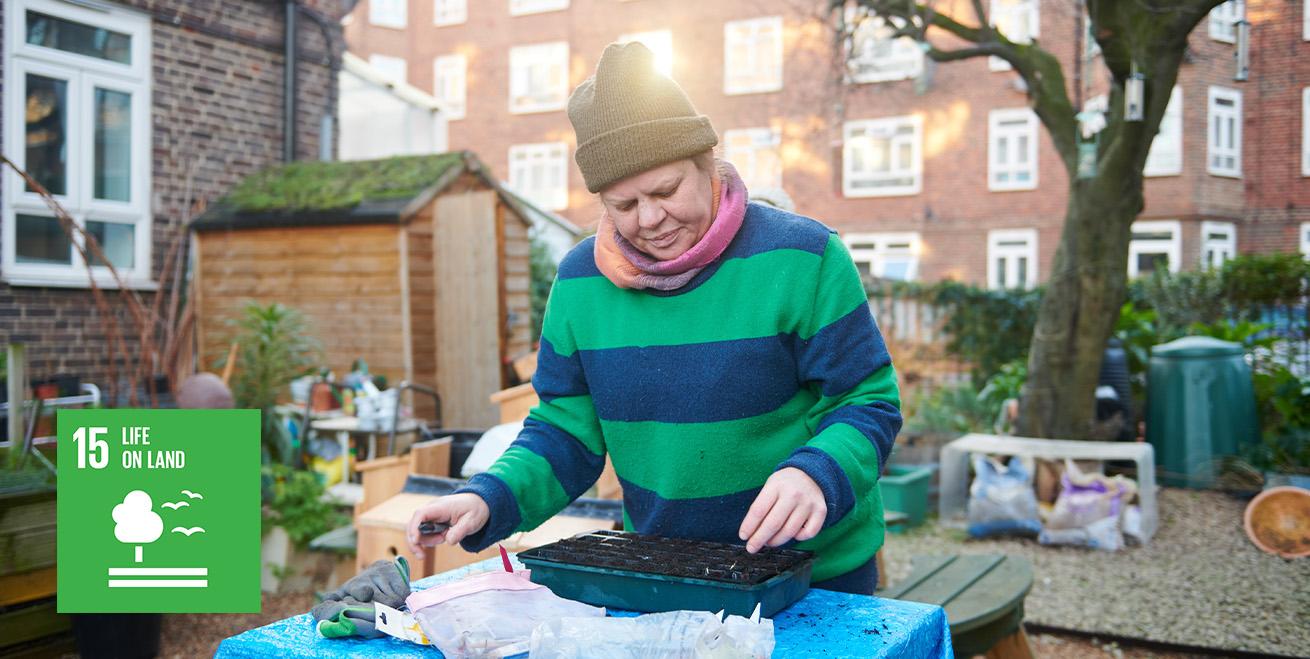
We’re also:

Mapping our green spaces and better understanding their diversity of plants and animals.
Raising awareness and engaging with customers and colleagues, inspiring nature-positive actions and volunteering opportunities.

Reviewing our specification for biodiversity in the gardens and communal spaces of our developments.
Partnerships
Even as we take the steps outlined above, here at Sanctuary we understand that the need to act to protect the environment is not a challenge we face alone. Working in partnership with others is a vital aspect of our Environment Strategy, keeping us open to innovation and knowledge sharing and enabling us to move further, faster.
Our partnerships span across other large housing associations, universities, and other climate-focused organisations.



Adaptation
Climate change is resulting in global warming, which means that the weather and seasonal temperatures we all experience will change drastically and with less predictability.
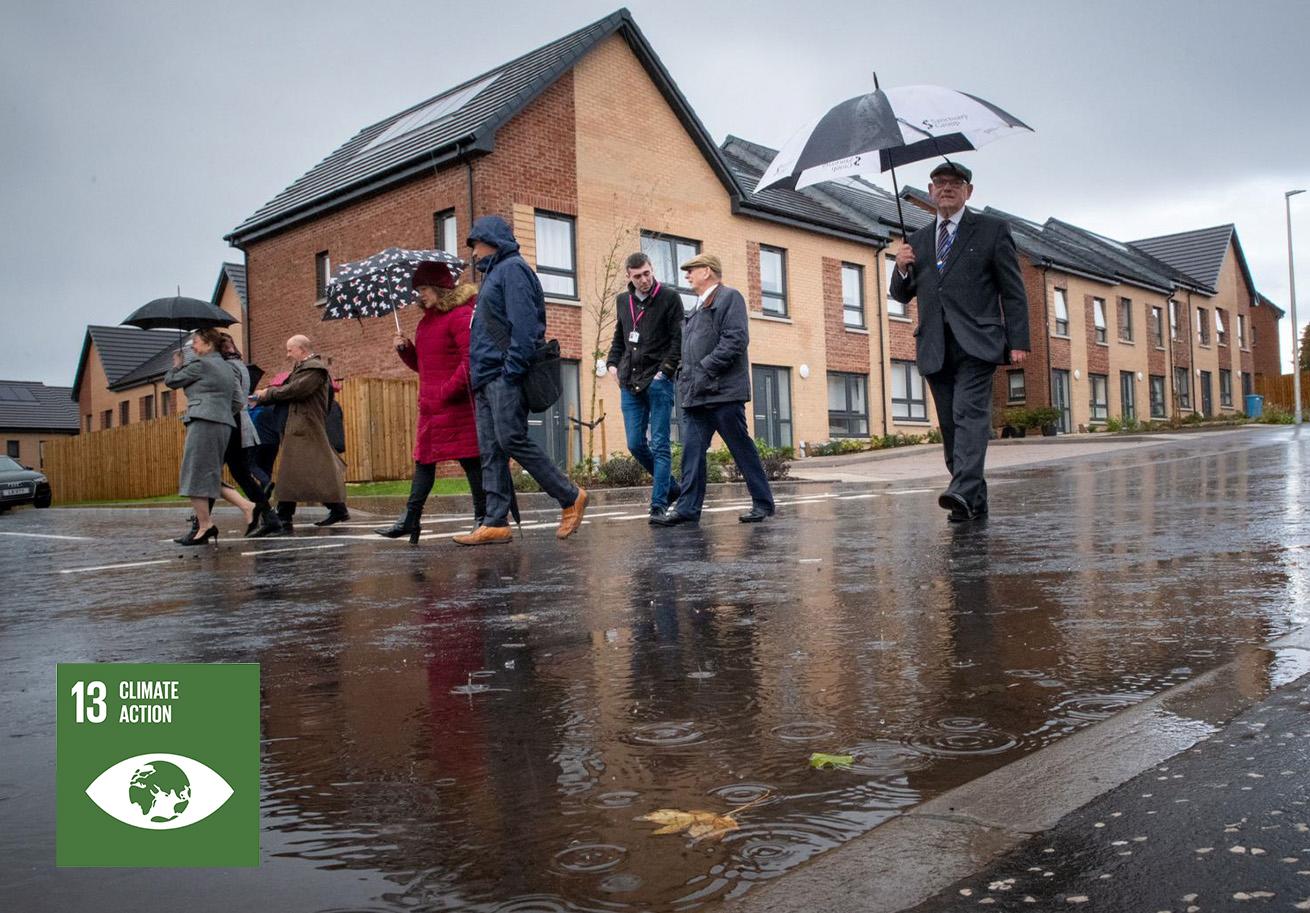
At Sanctuary, we know we need to be prepared for our homes and operations to be affected by more extreme temperatures and weather events. Flooding, drought, storms and heatwaves will be increasingly likely, so we need to think long-term about how we protect our customers and colleagues against these changes.