7th January 2026
Sanctuary Scotland
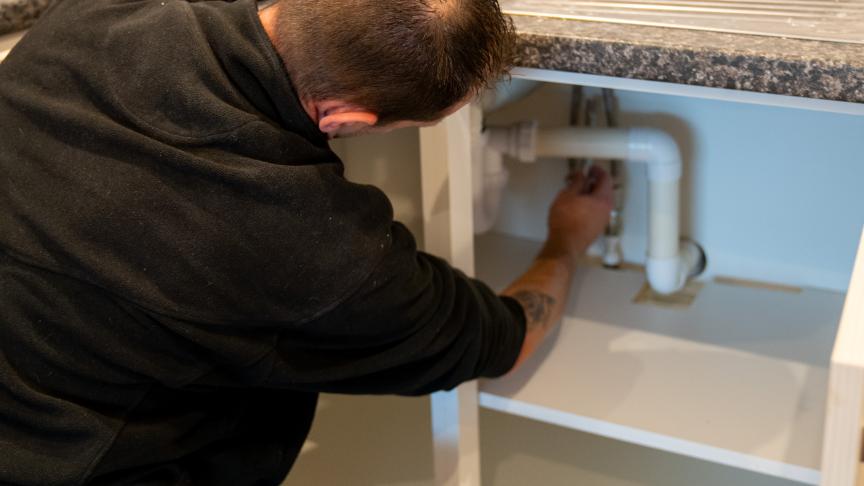
When temperatures drop, pipes can freeze and burst. To help prevent this, keep your heating on low if you can.
Frozen condensate
If your boiler stops working in freezing weather and you hear unusual gurgling or slurping sounds, your condensate pipe may have frozen. You may also see an error code if you have a digital display on your boiler.
A white plastic pipe coming from the bottom of your boiler or a plastic flue indicates that you’ve probably got a condensing boiler.
This is easy to fix yourself and you don’t need an engineer.
Look for an outside pipe that’s connected to your boiler. It’s usually a white plastic pipe connected to a drain.
If it’s safe, pour warm water along the pipe. Don’t use boiling water.
Reset your boiler. It should work normally if the pipe has thawed.
Other frozen pipes
If you find other frozen pipes, follow these steps:
Turn off your inside stop tap straight away. You’ll usually find it under the kitchen sink, but it could also be in a downstairs bathroom, kitchen cupboard, garage, cellar or under the stairs.
Open all taps to drain the system. When the water stops running, turn the taps off.
Warm pipes slowly using hot water bottles or towels soaked in hot water. Never use a naked flame or blowtorch – this can damage pipes and cause a fire.
Turn on nearby cold taps (keep the stop tap off) to relieve pressure on the frozen pipe.
If a pipe bursts, get in touch with your local team.